

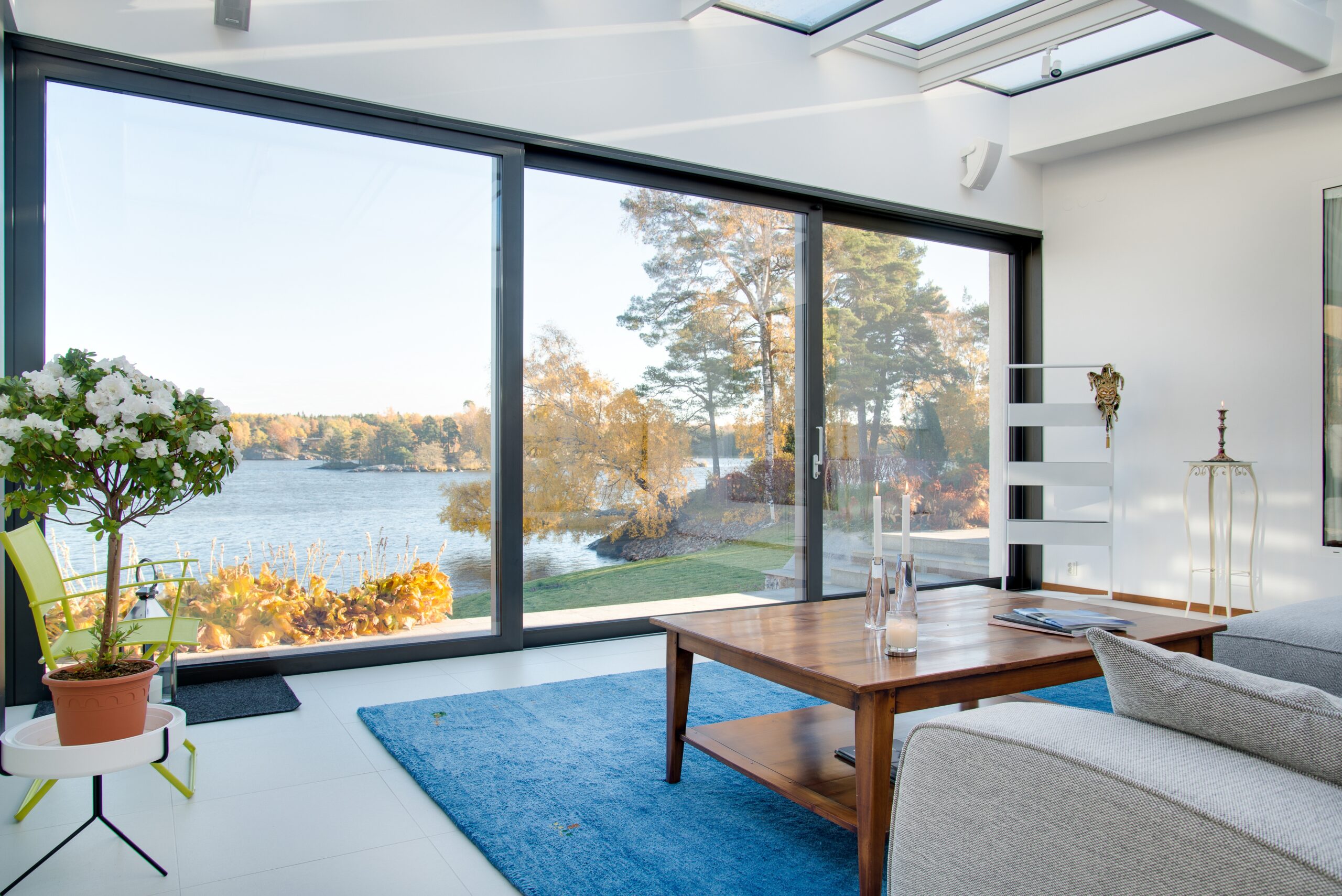
Living in Phoenix means enjoying abundant sunshine throughout the year. But when that sunshine starts heating up your living room, creating uncomfortable glare, or fading your furniture and flooring, even a beautiful home can become difficult to enjoy.
For many Arizona homeowners, the first thought is to replace their windows with newer, more energy-efficient options. However, replacing perfectly functional windows can be a significant investment, especially in homes with expansive glass doors, large picture windows, or custom architectural features.
What if your existing windows are still in excellent condition but simply aren’t providing the solar protection your home needs?
That’s where residential window tinting becomes worth considering.
Both window replacement and professional window film installation can improve aspects of home comfort, but they solve different problems. Understanding those differences can help you choose a solution that fits your home’s condition, your priorities, and your budget.
Why Do Phoenix Homes Get So Hot, Even With the Air Conditioning Running?
Phoenix homeowners are familiar with the challenge: the thermostat is set to a comfortable temperature, but certain rooms still feel noticeably warmer than others.
This is particularly common in homes with large south- or west-facing windows, where direct sunlight can contribute significant heat during the day.
Glass allows sunlight to enter your home, and some of that solar energy becomes heat indoors. Depending on your windows’ construction, orientation, shading, and glazing, this can create uncomfortable hot spots and increase the work your cooling system needs to do.
The effects aren’t limited to temperature.
You may also notice:
- Intense afternoon glare: Sunlight makes it uncomfortable to watch television, work on a computer, or relax near large windows.
- Uneven indoor comfort: Rooms exposed to direct sunlight feel warmer than shaded areas.
- Fading interiors: Prolonged sunlight exposure can contribute to discoloration of flooring, furniture, fabrics, and artwork.
- Reduced privacy: Large windows can expose interior living spaces to neighbors or passers-by.
- Greater cooling demand: Excessive solar heat gain can increase reliance on air conditioning during warmer months.
These problems don’t necessarily mean your windows need replacing.
In many cases, the glass itself is structurally sound, but its solar-control performance could be improved.
What Is Residential Window Tinting, and How Does It Work?
Residential window tinting involves applying a specialized window film to compatible existing glass to modify how sunlight passes through it.
Unlike decorative films designed primarily for appearance, premium solar-control window films are engineered to manage solar energy, reduce glare, and provide UV protection.
Depending on the film selected, residential window tinting can help make sun-exposed rooms more comfortable while preserving the windows and architectural features you already love.
1. Reduce Solar Heat Without Replacing Your Windows
One of the main reasons Phoenix homeowners consider residential window film is excessive indoor heat.
Solar-control films are designed to reduce the amount of solar energy entering through glass. By limiting solar heat gain, an appropriate film can help reduce hot spots and make living spaces more comfortable.
For homes with large windows overlooking a garden, pool, patio, or mountain landscape, this can be particularly appealing.
Instead of replacing the entire window assembly, homeowners may be able to improve solar performance by adding a carefully selected film to suitable existing glass.
Actual results depend on the film’s specifications, the glass type, window orientation, and other conditions.
2. Help Protect Furniture, Flooring, and Interior Finishes
Natural sunlight enhances a home’s appearance, but prolonged exposure can gradually affect interior materials.
Hardwood flooring, upholstered furniture, curtains, rugs, and artwork can all be vulnerable to fading or discoloration.
Many premium residential window films are designed to reject a high percentage of ultraviolet radiation, helping reduce one important contributor to fading.
However, UV light isn’t the only cause of fading. Visible light, heat, and material characteristics also play a role, so no window film can guarantee complete protection against discoloration.
For homeowners who have invested in premium furnishings or carefully designed interiors, additional UV protection can be a valuable consideration.
3. Control Glare Without Sacrificing Your Views
Large windows are often a defining feature of luxury homes throughout Phoenix, Scottsdale, Paradise Valley, and surrounding communities.
Yet the same expansive glass that creates beautiful, light-filled spaces can also introduce uncomfortable glare.
Professionally selected window film can help manage brightness while maintaining a desirable level of natural light.
Not every film is dark or highly reflective. Depending on your goals and glass compatibility, lighter-looking films may offer useful solar-control performance without dramatically changing the appearance of your windows.
4. Improve Privacy While Maintaining a Refined Appearance
Privacy can be another concern, particularly in homes with street-facing windows or closely positioned neighbouring properties.
Certain residential window films can reduce daytime visibility into the home while maintaining outward views under suitable lighting conditions.
It’s important to understand that reflective privacy effects depend on the lighting difference between indoors and outdoors. A film that offers daytime privacy may not provide the same effect at night when interior lights are on.
Choosing the right product means balancing privacy, appearance, natural light, and performance rather than assuming one film will meet every requirement.
When Is Window Replacement the Better Investment?
Although residential window tinting can improve solar performance, it cannot solve every window-related problem.
Window replacement may be the better choice when the window assembly itself is damaged, deteriorating, or no longer functioning properly.
Consider replacement if you’re experiencing any of the following issues.
Damaged or Deteriorating Window Frames
Cracked, warped, rotting, or poorly fitting frames can affect comfort, weather resistance, and window operation.
Applying film to the glass won’t correct those structural problems.
Condensation Between Double-Pane Windows
If moisture or fogging appears between the panes of an insulated glass unit, the seal may have failed.
Window film cannot restore a failed insulated glass seal. The affected glazing unit or window may need replacement.
Persistent Drafts or Water Intrusion
If air or water is entering around your windows, the problem may involve deteriorating seals, improper installation, or damaged frames.
These issues require inspection and appropriate repair or replacement.
Poor Insulation or Outdated Window Construction
Some older windows may have substantial thermal-performance limitations that cannot be adequately addressed with solar-control film alone.
Modern replacement windows can incorporate insulated glazing, low-emissivity coatings, improved framing, and other performance features.
If your goal includes addressing drafts, conductive heat transfer, outside noise, or damaged glazing, replacement may provide benefits that window film cannot.
The important distinction: Window film improves selected properties of compatible existing glass. Window replacement changes the window assembly itself.
Residential Window Tinting vs. Window Replacement: A Side-by-Side Comparison
Before investing in either solution, it’s worth comparing what each option is designed to accomplish.
| Feature | Residential Window Tinting | Window Replacement |
|---|---|---|
| Primary Purpose | Improve solar heat control, glare, UV protection, and selected privacy needs | Upgrade or replace the complete window system |
| Upfront Investment | Generally lower | Generally higher |
| Installation Disruption | Usually less extensive | Often requires more substantial installation work |
| Solar Heat Reduction | Available with suitable solar-control films | Depends on the replacement window’s glazing specifications |
| UV Protection | High UV rejection available with appropriate films | Varies by glazing and coatings |
| Glare Reduction | Can be tailored through film selection | Depends on glass specifications and treatments |
| Drafts and Failed Seals | Does not correct these problems | Can address them when the affected components are replaced |
| Architectural Appearance | Retains existing frames and glass configuration | May change the window’s appearance |
| Best Suited For | Sound windows needing better solar performance | Damaged or underperforming window assemblies |
What About the Cost?
For homeowners researching the cost of residential window tinting in Phoenix, the difference in upfront investment is often a major consideration.
Professional window film installation generally costs less than replacing entire window assemblies because it works with the existing glass rather than requiring new windows, frames, and associated installation work.
However, the actual price of residential window tinting depends on several factors:
- Number and dimensions of the windows.
- Type and condition of the existing glass.
- Selected film and performance specifications.
- Accessibility and installation complexity.
- Any existing film that needs to be removed.
Window replacement costs depend on the size, material, glazing system, window style, labor requirements, and any necessary repairs.
Rather than comparing a generic price per window, homeowners should evaluate the complete project and the specific improvements each option is expected to provide.
Which Option Makes More Sense for Your Phoenix Home?
The right decision often becomes clearer when you consider what is actually making your home uncomfortable.
Scenario 1: Your Windows Are in Good Condition, but Your Rooms Feel Too Hot
Imagine your living room has beautiful floor-to-ceiling windows, but the afternoon sun makes the space noticeably warmer.
The windows open and close properly, the seals are intact, and there are no signs of structural damage.
In this situation, residential solar-control window film may be a practical first option.
An appropriate film could help reduce incoming solar heat without requiring you to replace functional windows.
Scenario 2: You Love Your Views but Struggle With Glare
Perhaps your home features expansive windows overlooking the desert landscape, a landscaped garden, or an outdoor entertaining area.
You want to enjoy the views without dealing with excessive glare throughout the day.
A professionally selected window film may offer a balance between glare control and natural light, depending on the glass and your preferred appearance.
For custom and luxury homes, preserving the original architectural design can be an important advantage.
Scenario 3: Your Windows Are Drafty, Foggy, or Damaged
If your windows have failed seals, visible deterioration, persistent drafts, or water intrusion, adding film is unlikely to address the underlying issue.
Window replacement or targeted repairs should be considered before investing in solar-control upgrades.
Scenario 4: You’re Renovating or Upgrading a Luxury Home
For homeowners undertaking a substantial renovation, the decision may not be strictly between window tinting and replacement.
New high-performance glazing may be appropriate for certain areas, while existing compatible windows elsewhere could benefit from film.
The most effective approach depends on the building design, window specifications, desired appearance, and performance goals.
Real Homeowner Experience: From Measurement to Professional Installation
Choosing the right residential window tinting company involves more than selecting a premium window film. Homeowners also want a convenient process, professional installation, and confidence in the team working inside their property.
At TINT 360, our mobile residential window tinting service brings the process directly to your home, from the initial measurement visit through to installation.
Here’s what one of our customers shared about their experience:
“Great experience, from the measurement visit to the installation of our tint on the inside of our windows and doors. Very very pleased. Thank you!”
— SheilaLynn,
This feedback reflects the importance of a smooth experience from the first visit to the finished installation. For Phoenix homeowners considering residential window tinting, having professionals come directly to their property makes the process more convenient.
Professional Residential Window Tinting, Right at Your Doorstep
Improving your home’s comfort shouldn’t mean disrupting your schedule. With TINT 360’s mobile residential window tinting services, our professional installers come directly to your property, making it easier to upgrade your existing windows without unnecessary inconvenience.
Whether you own a contemporary home in Phoenix, a luxury residence in Scottsdale, or a custom property in Paradise Valley, our mobile service brings premium XPEL window film solutions and professional installation to your location. We assess your windows, discuss your comfort and privacy goals, and recommend suitable films based on your property’s unique requirements.
A qualified installer should consider:
- Existing glass specifications: Understanding the type and construction of the window.
- Solar exposure: Identifying windows that receive the most intense sunlight.
- Performance priorities: Determining whether heat reduction, glare, UV protection, or privacy matters most.
- Visual preferences: Selecting a film that complements the home’s design.
- Manufacturer compatibility: Following applicable film and glass guidance.
- Warranty considerations: Reviewing relevant product and existing window warranties.
Why Choose TINT 360 for Residential Window Tinting in Phoenix?
At TINT 360, we believe premium residential window tinting should combine exceptional products, careful craftsmanship, and a convenient customer experience.
As an authorized XPEL dealer, we provide professionally selected window film solutions designed to address solar heat, glare, UV exposure, and privacy concerns.
What makes our service different is that we come to you. Our mobile residential window tinting service allows homeowners to receive professional consultation and installation at their own property, without the inconvenience of travelling or arranging off-site appointments.
From large architectural windows to sun-exposed living rooms, our team takes the time to understand your home’s glass specifications, design, and performance goals before recommending a suitable solution.
Final Verdict: Should You Tint or Replace Your Windows?
For Phoenix homeowners, the answer comes down to one important question:
Are your windows failing, or are they simply letting in more sunlight and heat than you’d like?
If your windows are damaged, drafty, or experiencing seal failure, replacement or repair may be necessary.
But if your existing windows are in good condition and your main concerns involve solar heat, glare, UV exposure, or privacy, professional residential window tinting may offer a more practical and less disruptive improvement.
The goal isn’t to choose the most expensive solution. It’s to choose the one that addresses your home’s actual needs.
Before You Replace Your Windows, Let TINT 360 Come to You.
Why invest in replacing perfectly functional windows before exploring a more practical alternative? With TINT 360’s mobile residential window tinting services, premium window film solutions and professional installation come directly to your Phoenix-area home.
Enjoy the convenience of expert service at your doorstep while exploring ways to reduce solar heat, manage glare, and help protect your interiors.
Schedule Your Mobile Window Tinting Consultation
- Call: 480-448-0668
- Website: https://tint360az.com/
Frequently Asked Questions About Residential Window Tinting vs. Window Replacement
1. Is Residential Window Tinting Cheaper Than Replacing Windows in Phoenix?
Generally, yes. Residential window tinting typically requires a lower upfront investment because it improves compatible existing glass rather than replacing the entire window assembly. However, pricing depends on window dimensions, glass type, film selection, and installation requirements.
If your windows are structurally sound and your primary concerns are heat, glare, or UV exposure, professional window film may be worth evaluating before replacement.
2. Can Residential Window Tinting Keep My Phoenix Home Cooler During Summer?
Solar-control window film can reduce solar heat gain through suitable windows, which may improve comfort in rooms exposed to direct sunlight.
The degree of improvement depends on the film, glass specifications, window orientation, shading, and overall building conditions. Window tinting does not replace the need for effective insulation or air conditioning.
3. Can Window Film Be Installed on Double-Pane Windows?
Yes, certain residential window films are compatible with double-pane or insulated glass units.
However, compatibility must be checked carefully because the glass construction, coatings, and film’s solar absorption characteristics can affect thermal stress and warranty considerations.
A professional assessment is recommended before installation.
4. Will Residential Window Tinting Make My Home Too Dark?
Not necessarily.
Modern residential window films are available with different levels of visible light transmission. Some are designed to maintain a relatively light appearance while offering solar-control benefits.
The ideal film depends on how much natural light you want to preserve and the level of glare or heat reduction you’re seeking.
5. How Long Does Residential Window Film Last?
The service life of professionally installed residential window film depends on the product, glass conditions, sun exposure, installation quality, and maintenance.
Premium films may provide many years of performance when properly selected and maintained. Warranty terms vary by manufacturer and product, so homeowners should review the applicable coverage before installation.


